
In sports like football or hockey, goalies are free to use their hands to stop, catch, or throw the ball. Some people think, what about lacrosse? Can a lacrosse goalie use his hands? Lacrosse is a fascinating game with unique rules, and knowing them all is what makes the sport even more exciting to watch and play.
In this article, I will tell you about the lacrosse goalie rules and can lacrosse goalies use their hands or not.
The Role of a Lacrosse Goalie
In lacrosse, the goalie plays a crucial role as the final line of defense, standing between the opposing team’s offense and the goal.
Their main job is blocking incoming shots and guiding their team’s defense, ensuring everyone is in the right position to protect the net.
While other players rely completely on their lacrosse sticks to catch, pass, and shoot, goalies do have a few extra privileges.
Are their hands one of them?
Can a Lacrosse Goalie Use Their Hands?
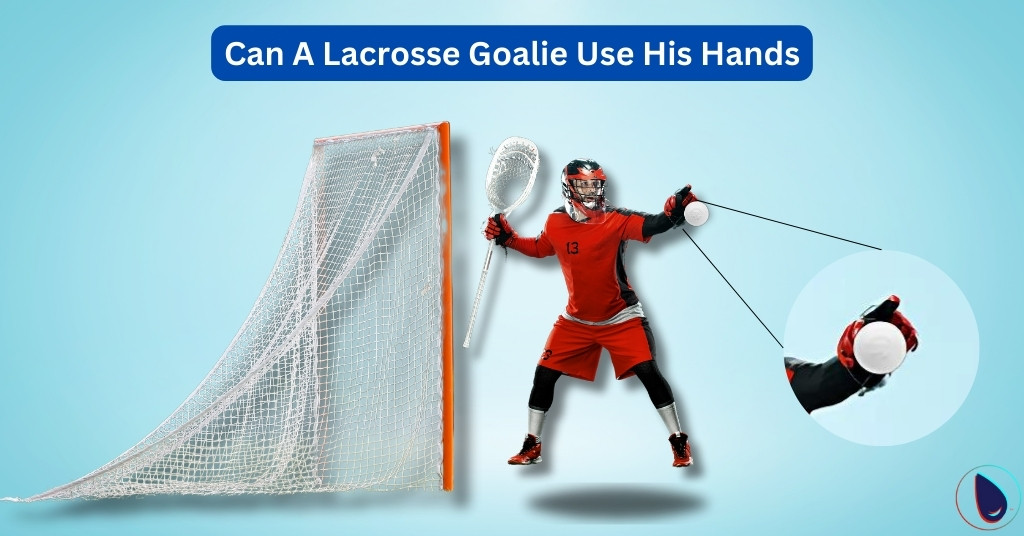
The short answer is yes they can—lacrosse goalies can use their hands to stop or catch the ball as long as both the ball and goalie are inside the goal crease.
But this depends on the different league one is playing in. Both men’s and women’s lacrosse leagues have different rules when it comes to the goalie using their hands to stop or catch the ball.
Lacrosse Goalie Rules: Can They Use Their Hands?
According to official lacrosse rules, lacrosse goalies can use their hands to block or catch the ball. However, there are specific regulations concerning this action:
- Goalies must use a stick designed for them. They can use their hands to stop or catch the ball, they cannot use their hands to throw it. They must use their stick for any passing or clearing.
- Goalies have some leniency when it comes to contact. They can use their bodies and hands to shield against attackers, but excessive contact can lead to penalties.
Lacrosse Goalie Rules: Men vs Women
I have highlighted the main differences between men’s and women’s lacrosse goalie rules.
They are quite similar, with a few differences that I have mentioned in the table below.
| Aspect | Men’s Lacrosse Goalie Rules | Women’s Lacrosse Goalie Rules |
| Field Dimensions | The men's field is larger (110x60 yards). | The women’s field is slightly smaller (120x70 yards). |
| Protective Gear | Goalies wear helmets, throat guards, chest protectors, and gloves. Optional padding includes arm guards and shin guards. | They have similar protective gear, but women’s goalies can wear lighter chest protection due to the different nature of contact in the game. |
| Goalie Stick Size | The goalie stick can have a head up to 12 inches wide for men. | Women’s goalies use a stick with a maximum head width of 12 inches, similar to men’s. |
| Contact Rules | Men’s lacrosse allows more physical contact, including body checks. Goalies can make physical contact as part of play. | Women’s lacrosse is more focused on stick play, with limited body contact. Goalies are still protected from excessive physical contact. |
| Goal Circle (Crease) | Men’s goalies have a crease area of 9 feet where they are protected. Players cannot enter the crease or make contact with the goalie. | The crease is similar in size, but women’s lacrosse places stricter penalties for entering the crease or checking the goalie. |
| Shot Clock and Time Limits | Men’s lacrosse uses a 60-second shot clock. The goalie has 4 seconds to clear the ball from the crease after gaining possession. | Women’s lacrosse has a 90-second shot clock, and the goalie also has 10 seconds to clear the ball, giving more time to set up a play. |
| Game Flow and Pace | Men's lacrosse is generally faster-paced with frequent physical contact. | Women's lacrosse goalie has less contact and focuses more on passing and positioning.The goalie’s job is more about blocking the shot. |
Hands vs Sticks for Goalies
Using hands versus sticks significantly affects gameplay.
Here’s a breakdown,
| Aspect | Using Hands | Using Sticks |
| Control | Offers immediate control over the ball | Requires precision in catching |
| Speed | Quick reaction time | Slower due to stick handling |
| Strategy | Can disrupt opponent's shots | Allows for strategic plays |
| Injury Risk | Higher risk of injury | Provides protection |
Advantages and Disadvantages of Hand Use
I have gathered some pros and cons of allowing lacrosse goalies to use their hands:
Advantages
- The use of hands allows the goalie to have quicker reactions when blocking shots.
- In some cases, using hands might reduce the chance of getting hit by a stick.
- To make things more exciting, this gives goalies the limelight as they can make spectacular saves.

Disadvantages
- Using your hands to block shots can lead to injuries.
- If you have misunderstandings regarding rules of hand use, it could lead to penalties.
I have made a list of the best gloves for goalies that will protect them from any possible injuries.
Comparing Lacrosse Goalies to Other Sports
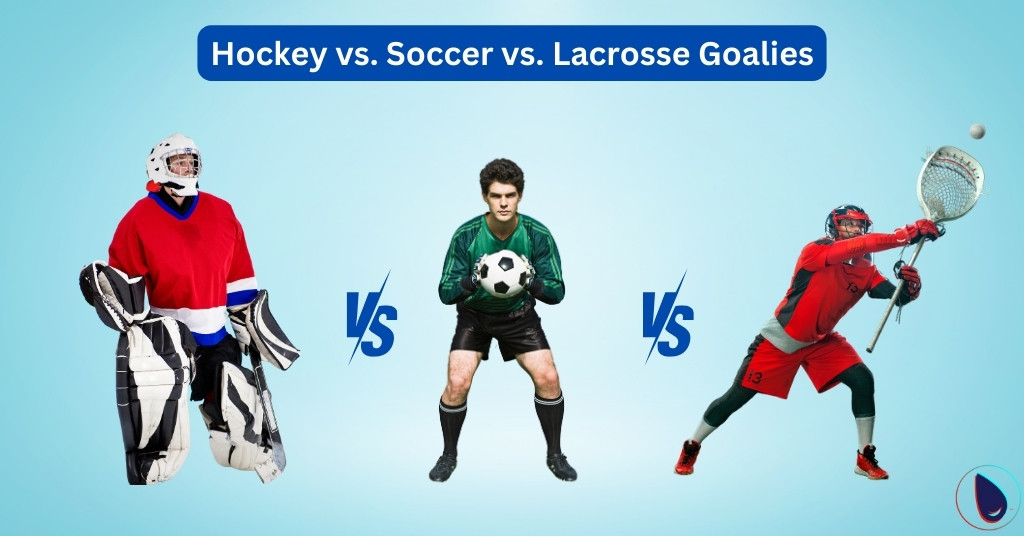
The hand rule situation is not that much complicated in other sports, like soccer or hockey. I have compared the situation with similar roles in other sports when considering whether lacrosse goalies can use their hands.
Hockey Goalies
Hockey goalies have the same rules as lacrosse goalies. They can use their hands but must primarily rely on their hockey sticks for play.
Soccer Goalies
Soccer goalkeepers can use their hands within the penalty area, but they have strict rules about it.
People Also Ask
Can Lacrosse Goalies Use Their Hands in Lacrosse?
Yes, lacrosse goalies can use their hands to block or catch the ball within the goal crease, but they must use their sticks for passing or clearing.
Can You Use Your Hands in Lacrosse?
In lacrosse, only the goalies can use their hands, and even then, it’s limited to blocking or catching the ball within the crease.
Can a Goalie Be Hit in Lacrosse?
Yes, a lacrosse goalie can be hit, but excessive contact is penalized. Goalies have special protection within the crease, where offensive players cannot enter or make contact.
Is Goalie the Hardest Position in Lacrosse?
Many consider the goalie the hardest position in lacrosse due to the high-speed shots they face, the pressure to lead the defense, and the need for fast reflexes.
What Happens If a Lacrosse Goalie Uses Hands Outside the Crease?
If a goalie uses their hands outside the crease, it results in a violation, and the opposing team gains possession of the ball.
So, can a lacrosse goalie use his hands? They are permitted to do so under specific conditions. The goalie is the last line of defense. They mainly have to use their lacrosse stick to block and throw the ball but the use of hands adds an exciting twist.